Unlocking the Power of Blockchain Technology for Secure Data Management
Unlocking the Power of Blockchain Technology for Secure Data Management
Introduction
Imagine a world where data is secure, transparent, and tamper-proof. A world where sensitive information is safeguarded from unauthorized access, and where trust is established through decentralized networks. Welcome to the world of blockchain technology, a revolutionary solution that has been gaining momentum in recent years. In this blog post, we will delve into the power of blockchain technology for secure data management, exploring its benefits, applications, and practical tips for implementation.
What is Blockchain Technology?
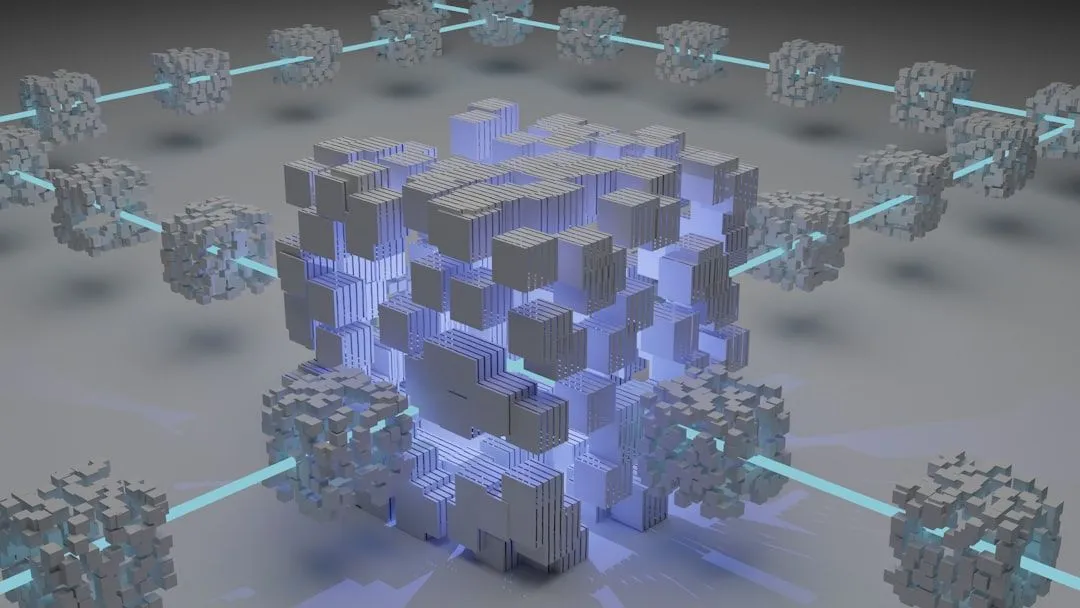
Blockchain technology is a decentralized, distributed ledger system that records transactions in a secure and transparent manner. It uses a network of computers to validate and timestamp transactions, creating a permanent and unalterable record. This decentralized approach eliminates the need for intermediaries, reducing costs and increasing efficiency.
Key Components of Blockchain Technology
There are several key components that make up the blockchain technology ecosystem:
- Decentralized Network: A network of computers that work together to validate and timestamp transactions.
- Blockchain Ledger: A chain of blocks that record transactions in a secure and transparent manner.
- Consensus Mechanism: A process that ensures all nodes on the network agree on the state of the blockchain.
- Cryptographic Algorithms: Encryption techniques used to secure transactions and protect against tampering.
Benefits of Blockchain Technology for Secure Data Management
The benefits of blockchain technology for secure data management are numerous:
- Immutable Data: Transactions are recorded in a permanent and unalterable manner, ensuring data integrity.
- Transparent Data: All transactions are visible to the network, promoting accountability and trust.
- Secure Data: Transactions are encrypted, protecting sensitive information from unauthorized access.
- Decentralized Data: Data is stored on a network of computers, reducing reliance on a single point of failure.
Applications of Blockchain Technology for Secure Data Management
Blockchain technology has a wide range of applications in secure data management:
- Data Storage: Securely storing sensitive information in a decentralized and tamper-proof manner.
- Supply Chain Management: Tracking products and materials through a secure and transparent supply chain.
- Identity Verification: Securely verifying identities through decentralized and immutable records.
- Healthcare Data Management: Securely storing and sharing medical records in a decentralized and tamper-proof manner.
Practical Tips for Implementing Blockchain Technology
Implementing blockchain technology requires careful consideration and planning:
- Assess Your Needs: Determine the specific use case and requirements for blockchain technology.
- Choose a Blockchain Platform: Select a suitable blockchain platform that meets your needs, such as Ethereum, Hyperledger Fabric, or Corda.
- Develop a Blockchain Strategy: Create a comprehensive strategy for implementing blockchain technology, including data management, security, and scalability.
- Test and Validate: Thoroughly test and validate your blockchain implementation to ensure security, performance, and scalability.
Conclusion
Blockchain technology has the potential to revolutionize secure data management by providing a decentralized, transparent, and tamper-proof solution. With its numerous benefits and applications, blockchain technology is an attractive option for organizations seeking to improve data security and management. By understanding the key components of blockchain technology, its benefits and applications, and practical tips for implementation, organizations can unlock the power of blockchain technology and secure their data for the future.
Future of Blockchain Technology
The future of blockchain technology is bright, with many exciting developments on the horizon:
- Increased Adoption: Growing adoption of blockchain technology across various industries and use cases.
- Improved Scalability: Development of scalable blockchain solutions that can handle high transaction volumes.
- Advanced Applications: Exploration of new and innovative applications of blockchain technology, such as artificial intelligence and Internet of Things (IoT) integration.
Conclusion (Again)
Blockchain technology is a game-changer for secure data management, offering a decentralized, transparent, and tamper-proof solution. With its numerous benefits and applications, blockchain technology is an attractive option for organizations seeking to improve data security and management. By understanding the key components of blockchain technology, its benefits and applications, and practical tips for implementation, organizations can unlock the power of blockchain technology and secure their data for the future.
Engagement
Comments