Healthy Eating Nutrition Tips
Introduction to Healthy Eating Nutrition Tips
Healthy eating is one of the most crucial aspects of maintaining a balanced lifestyle. With the abundance of unhealthy food options available, it can be challenging to make the right choices. However, with a little knowledge and planning, you can develop healthy eating habits that will benefit your body and mind. In this article, we will provide you with comprehensive healthy eating nutrition tips to help you make informed decisions about your diet. Whether you're looking to lose weight, improve your overall health, or simply feel more energized, these tips will guide you on your journey to a healthier you.
Understanding the Basics of Nutrition
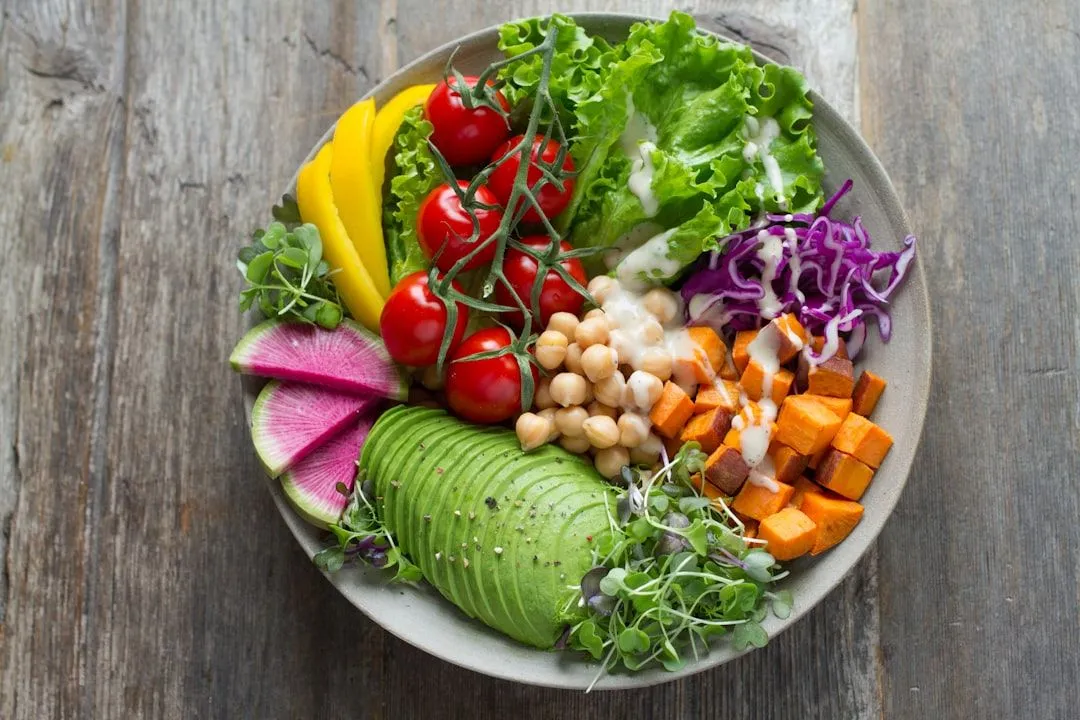
Before we dive into the tips, it's essential to understand the basics of nutrition. A well-balanced diet should include a variety of foods from all food groups, including fruits, vegetables, whole grains, lean proteins, and healthy fats. It's also important to limit your intake of processed and sugary foods, as they can have negative effects on your health. A good rule of thumb is to focus on whole, unprocessed foods as much as possible. Here are some key nutrients to include in your diet:
- Protein: found in lean meats, fish, eggs, beans, and lentils
- Healthy Fats: found in nuts, seeds, avocados, and olive oil
- Complex Carbohydrates: found in whole grains, fruits, and vegetables
- Fiber: found in whole grains, fruits, vegetables, and legumes
Meal Planning and Preparation
Meal planning and preparation are crucial components of healthy eating. By planning your meals in advance, you can ensure that you're getting the nutrients you need and avoid last-minute, unhealthy choices. Here are some tips for meal planning and preparation:
- Plan your meals for the week: take some time to think about what you want to eat for the next few days and make a list of the ingredients you need
- Shop smart: stick to your list and avoid buying unhealthy impulse items
- Prepare in advance: chop vegetables, cook proteins, and assemble salads or meals that can be reheated later
- Use leftovers: plan meals that use leftovers to reduce food waste and save time
Snacking and Portion Control
Snacking and portion control are also important aspects of healthy eating. It's easy to overeat or make unhealthy choices when you're snacking, but with a little planning, you can make healthy choices. Here are some tips for snacking and portion control:
Choose healthy snack options, such as fruits, nuts, and carrot sticks with hummus. Be mindful of portion sizes and avoid eating directly from the package. Use smaller plates and bowls to help control your portions, and eat slowly and mindfully to avoid overeating.
Staying Hydrated and Managing Cravings
Staying hydrated and managing cravings are also crucial components of healthy eating. Sometimes, thirst can masquerade as hunger, so it's essential to drink plenty of water throughout the day. Here are some tips for staying hydrated and managing cravings:
- Drink plenty of water: aim for at least eight glasses of water per day
- Avoid sugary drinks: limit your intake of soda, juice, and other sugary beverages
- Get enough sleep: lack of sleep can increase cravings for unhealthy foods
- Find healthy alternatives: if you're craving a specific food, try to find a healthier alternative, such as choosing baked chips instead of regular chips
Conclusion
In conclusion, healthy eating is a journey, and it's essential to be patient and kind to yourself as you develop new habits. By following these healthy eating nutrition tips, you can improve your overall health and well-being. Remember to focus on whole, unprocessed foods, plan your meals in advance, and stay hydrated. Don't be too hard on yourself if you slip up – simply get back on track and keep moving forward. With time and practice, healthy eating will become second nature, and you'll be on your way to a happier, healthier you.
Engagement
Comments